Neurofibromatosis in Children: Signs, Diagnosis and Support
Summary for families on the Central Coast
Hearing a new medical term about your child—or grandchild—can feel overwhelming. The good news is that many people with neurofibromatosis (NF) have mild symptoms and live full, active lives. This guide explains what it means, what to look for, and how your GP can help.
Liam and the mystery spots
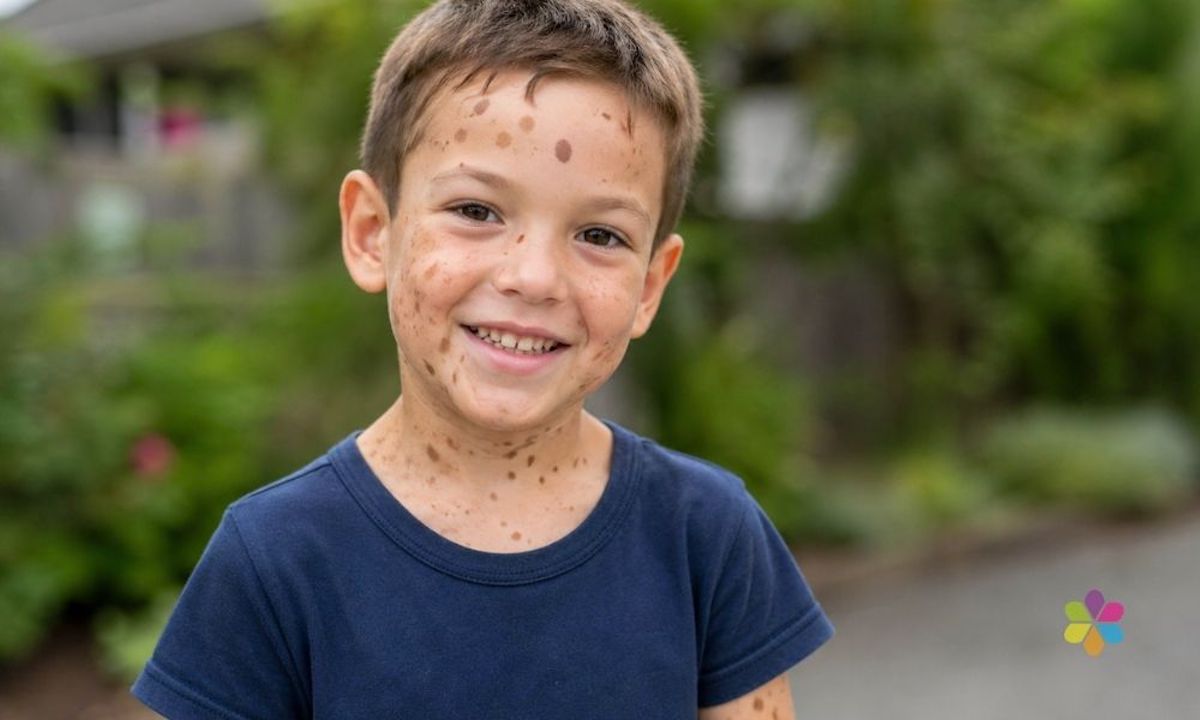
When Liam was about one, his mum noticed a few light brown spots on his tummy during bath time.
At first, she wondered if they were just a bit of leftover dirt — the kind that somehow survives both soap and determination.
But they didn’t fade.
At a routine GP visit, she mentioned them. The GP took a closer look, counted several café-au-lait spots, and asked a few questions about Liam’s development.
Liam, for his part, was busy being one — active, curious, and completely uninterested in the conversation.
Over the next year, a few more spots appeared, along with some freckling under his arms. The GP arranged a referral to a paediatric specialist.
After careful assessment over time, Liam was diagnosed with Neurofibromatosis Type 1.
His family felt worried at first — which is a very normal place to land.
“What helped most was having clear information, a care plan, and a team around us,” said Liam’s mum.
“We keep an eye on things—but mostly, he’s just Liam.”
Liam is a fictional social story.
What is neurofibromatosis?
Neurofibromatosis (NF) is a genetic condition that affects how nerve cells grow. It can lead to small growths along nerves (called neurofibromas). These are usually benign (not cancer).
The most common type is Neurofibromatosis Type 1 (NF1).
How common is neurofibromatosis (NF)?
Neurofibromatosis is considered a relatively common genetic condition.
Around 1 in 3,000 people are born with Neurofibromatosis Type 1 (NF1), making it the most common type.
Neurofibromatosis Type 2 (NF2) and Schwannomatosis are less common.
NF affects people of all backgrounds and can occur in any family. In about half of cases, it is inherited from a parent. In the other half, it happens spontaneously (a new genetic change).
Many people with NF have mild symptoms and may not be diagnosed until later in childhood—or even adulthood.
What types of neurofibromatosis are there?
There are three main types of neurofibromatosis. They are caused by different genetic changes and can affect people in different ways.
Neurofibromatosis Type 1 (NF1)
- The most common type
- Usually diagnosed in childhood
- Common features include:
- Café-au-lait spots (light brown skin patches)
- Freckling in areas like the armpits or groin
- Small, benign growths on or under the skin (neurofibromas)
It’s the result of a genetic change to chromosome 17. Many people with NF1 live full, active lives, though some may need monitoring or support over time.
Neurofibromatosis Type 2 (NF2)
- Much rarer than NF1
- Often diagnosed in teens or early adulthood
- Typically involves growths on nerves related to hearing and balance
Symptoms may include:
- Hearing changes
- Ringing in the ears (tinnitus)
- Balance difficulties
It’s the result of a genetic change to choromosome 22.
Schwannomatosis
- This is the rarer form and affects around one in 40,000 people
- Usually diagnosed in adulthood
- Causes growths called schwannomas on nerves throughout the body
The main symptom is often chronic nerve pain, rather than the skin changes seen in NF1.
What are the early signs to look for?
Early signs (especially in children) may include:
- Multiple café-au-lait spots
- Freckling in the underarms or groin
- Small, soft lumps on or under the skin
- Learning differences in some children
- Many children have mild features only.
What happens if NF is not monitored?
Without regular check-ups, some complications may go unnoticed.
These can include:
- Growth of neurofibromas
- Vision changes (from optic nerve involvement)
- Bone changes or scoliosis
- Learning or developmental challenges
Regular GP care helps pick up changes early and guide support.
How is neurofibromatosis diagnosed?
Diagnosis is usually made over time, based on:
- Physical signs (like café-au-lait spots)
- Family history
- Specialist input if needed
Genetic testing is sometimes used, but not always required.
What treatment or support is available?
There is no cure yet, but care is focused on monitoring and support.
This may include:
- Regular GP and specialist reviews
- Eye checks and developmental monitoring
- Support at school if needed
Australian resources:
- Neurofibromatosis Association of Australia
- Raising Children Network
Can people with NF live a normal life?
Often, yes.
Many people with neurofibromatosis:
- Attend school and work
- Play sport
- Live independently
Some people need more medical support, but outcomes vary widely.
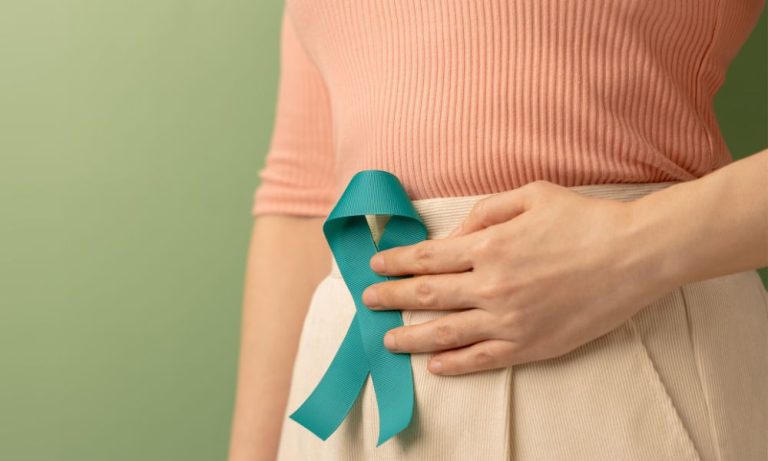
This May marks a national awareness month for NF. Many people with NF see over a dozen specialists. The theme of the awareness month is care shouldn’t be complex.
May is Neurofibromatosis Awareness Month
Neurofibromatosis Awareness Week is part of a broader focus on NF throughout May.
The goals are to:
- Improve early recognition of signs like café-au-lait spots
- Encourage timely GP assessment and follow-up
- Connect families with trusted support and information
- Reduce stigma and misunderstanding
- Support research and better care options
At its heart, the message is simple: awareness leads to earlier support, better understanding, and stronger communities.
When should I see a GP?
Book a check if you notice:
- Multiple café-au-lait spots
- Changes in skin or lumps
- Vision, hearing, or developmental concerns
- A family history of NF
Early advice can provide reassurance and a clear plan.
Further information and Support
The Childen’s Tumour Foundation
The Children’s Tumour Foundation is a national patient advocacy and support organisation for people impacted by neurofibromatosis (NF) in Australia. The foundation provides free personalised support and resources.
Royal Children’s Hospital Melbourne
https://www.rch.org.au/kidsinfo/fact_sheets/Neurofibromatosis/
Sydney Children’s Hospitals Network
https://www.schn.health.nsw.gov.au/clinical-hub/neurogenetics-clinical-resources
Rare Voices Australia
https://www.rareportal.org.au/rare-disease/neurofibromatosis-type-1/
Neurofibromatosis Awareness Month
https://www.rareportal.org.au/rare-disease/neurofibromatosis-type-1/
Health Direct
https://www.healthdirect.gov.au/neurofibromatosis
Narara Valley Medical Appointments
https://nararavalleymedical.com.au/book-you-appointment/
This article is general and shouldn’t be considered as medical advice because it doesn’t consider your personal health and needs. For personalised medical advice, please see your doctor.