Loneliness, A Hidden Health Concern
Loneliness is a serious public health issue. It’s been linked to depression, anxiety, poor sleep, and heart disease.
Loneliness can affect anyone, regardless of age, gender, or background. But when it becomes long-term, it increases the risk of both mental and physical illness.
For older adults, loneliness is as harmful to health as smoking 15 cigarettes a day. It can also delay recovery from illness or surgery and reduce overall wellbeing.
Research from the Mental Health Commission of NSW found that nearly 40 percent of residents reported experiencing loneliness to varying degrees.

Melanie and Alisha’s move
Melanie (55) is a single mum of Alisha (16), who is on the autism spectrum. When she separated from her husband, the pair moved away from their family home. Melanie worried that they’d become more socially isolated and lonely.
“I felt on the brink,” said Mel.
After they moved up the coast, she decided to get a dog. (continues)
Mental and emotional costs
Feeling lonely can lead to a loss of purpose, low mood, and increased stress. Over time, this can impact concentration, energy levels, and motivation. People experiencing chronic loneliness may withdraw further from social situations, creating a difficult cycle that can be hard to break.
Who is affected most by loneliness?
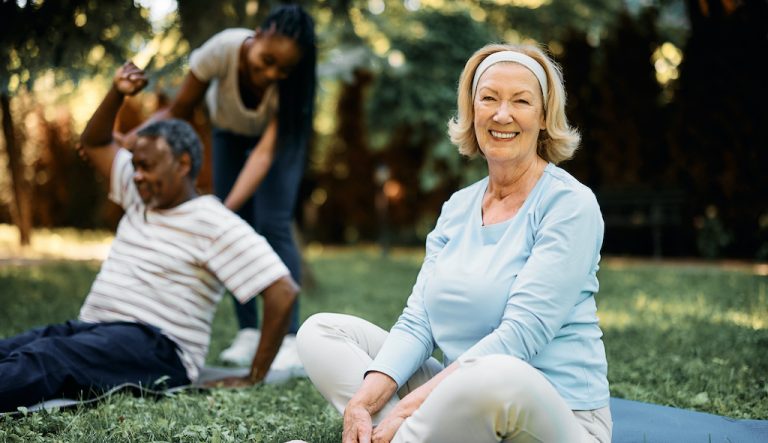
Older Adults
Loneliness disproportionately affects older adults. A report by the Council on the Ageing (COTA) NSW found that 60 percent of people aged 50 and over in NSW are lonely, with 25 percent experiencing extreme loneliness. The report highlights that this can profoundly impact their ability to perform daily tasks and seek medical care.
Young People
Younger people are also highly vulnerable. While older adults face significant loneliness, data also indicates that younger people (aged 15-24) are experiencing some of the highest rates of loneliness. Young people are the focus of Loneliness Awareness Week
While many young people believe it’s easier for adults to make friends. They worry that it’ll feel or be too awkward. A little bit of awkward is a small ticket price for connection.
People with mental health issues
People with mental health issues are four times more likely to be lonely. A report from the Mental Health Commission of NSW found a strong link between mental health and loneliness, with 50 percent of people with poor mental health reporting loneliness compared to only 14 percent of those with moderate to good mental health.
Easing Loneliness: Tips and Local Resources
If you’re feeling lonely, or you know someone who might be, you’re not alone and support is available.
- Reach out: A simple phone call, walk, or coffee with a neighbour can go a long way.
- Join a group: Local libraries, Men’s Sheds, neighbourhood centres, and walking groups are great places to start.
- Pet ownership is also a great way to reduce stress, create a sense of purpose, provide fitness, and forge new social connections.
- Volunteer: Giving your time can build meaningful connections.
- Ask for help: Speak to your GP or practice nurse. They can connect you with support services on the Central Coast, such as Coast Community Connections or Beyond Blue.
If you believe someone may be lovely, reach out. Start an awkward conversation. You might make their day.
Melanie and Alisha’s Story continued
Alisha walks the dog, Brinky, in the afternoons. She saw a girl from school she’d never spoken to.
“A dog is an easy conversation starter,” said Alisha. “I don’t feel as anxious when I have Brinky. I don’t need to focus on myself to talk to people.” The schoolmate stopped to chat and although they are in different year groups, they talk together at school most days.
Melanie said it was perfect to have Brinky as a new family member.
“We called her Brinky because she’s the force that pulled us back,” said Melanie.
“She’s playful and reminds us to laugh and have fun.”
Resources
- Healthdirect: https://www.healthdirect.gov.au/loneliness-isolation-mental-health
- Loneliness Awareness Week: https://lonelinessawarenessweek.com.au/
- NSW Mental Health Commission: https://www.nswmentalhealthcommission.com.au/leading-the-change
This article is general and not intended as personalised advice or as a replacement for advice that’s right for you. If you need emergency support, call Lifeline on 13 11 14. Help is available.
If you have any concerns about your own loneliness or social isolation, a good doctor will understand. They can give you advice and connect you to services that can help. Make an appointment.
*the people in the story are fictional and not based on any real people