
Finding Your Way to Better Mental Health
This October is mental health month. Mental health refers to a person’s social, psychological, and emotional health.
The focus this year is mental wellbeing.
It’s easy to feel overwhelmed when you consider the numbers.
One in five Australians will experience mental health issues this year. But wellness isn’t all-or-nothing. It’s built on a foundation of small, manageable choices.
Use the simple 1-2-3 steps to wellbeing.
- Awareness: Are you feeling different from your usual self?
- Acknowledge: it’s okay to get support
- Do something: Take action to improve your mental health e.g. call a service, exercise, socialise, self-care, time out for yourself, anything that works for you.
Mental wellbeing means you can cope with life’s daily stress and emotions, you can learn well, and work well. All of us need to look after our mental health and wellbeing.
What you should know about mental health in Australia
Mental health is a vital part of our overall wellbeing. For many of us, it’s a significant challenge. Recent data from the Australian Institute of Health and Welfare says:
- One in five Australians experience a mental illness in any given year, and nearly half of the population will be affected by a mental health condition at some point in their lives.
- Young Australians are more likely to experience mental health conditions than older adults, with one in four young people aged 16–24 having a mental disorder in the past 12 months.
- Females are significantly more likely to experience anxiety and depression than males.
The Small Steps That Make a Big Difference
This October, Mental Health Month focuses on the theme Taking Steps on Your Wellbeing Journey. Through small, consistent actions, we can nurture our mental wellbeing.
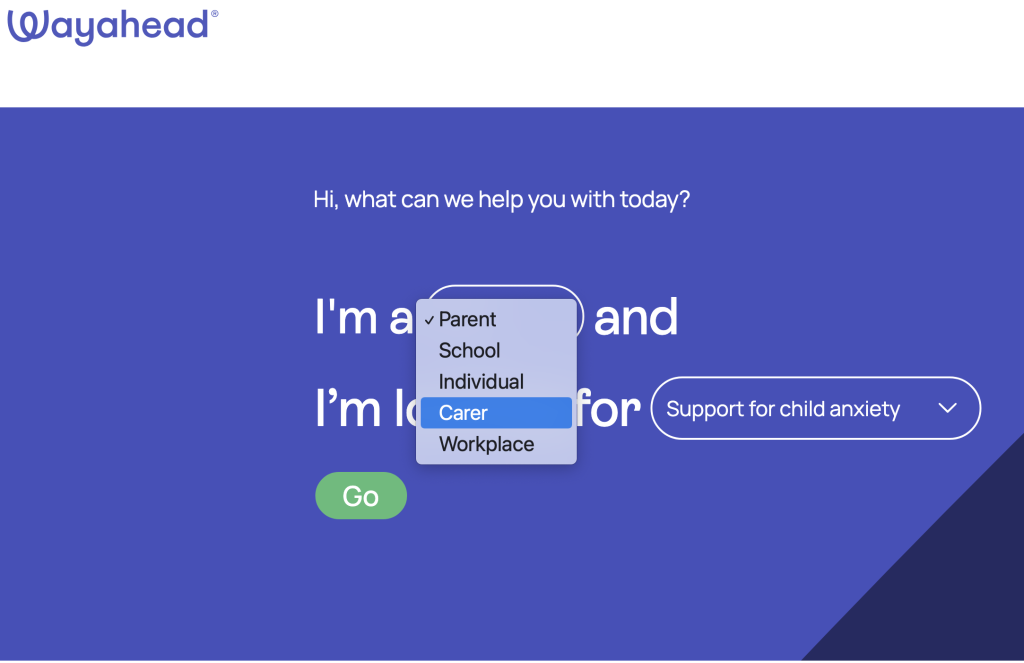
Wayahead has helpful information for parents, children, teenagers, and older people.
Social Story: Breathing and Nature Help Taylor’s ASD and Anxiety
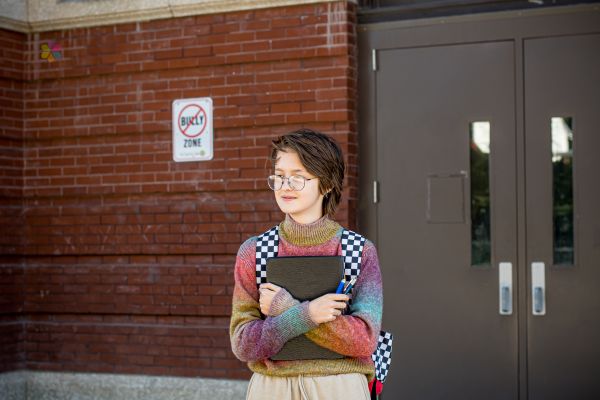
The bell screamed. For Taylor*, it was a siren, not a signal. The High School hallway became a crushing wave of noise and bodies.
Taylor’s chest tightened and panic gripped her ribs. The stakes were simple: get to English on time, or fail. But her brain, overstimulated and terrified, wouldn’t let her move.
Taylor had been diagnosed with Autism Spectrum Disorder (ASD) when she was nine. Her parents had worked with her to find coping strategies ever since.
She remembered his therapist’s words. Find your anchor, Tay. She ducked into the library’s quiet, cool air. She closed her eyes, breathing in slowly, counting to four.
At home, Taylor’s quiet room and books were her sanctuary. On weekends, her parents would take her to the bushland where she found a different kind of calm in the gentle rustle of leaves and the sight of water trickling over smooth stones. In nature, Taylor felt relaxed and alert. She spent hours watching the patterns through trees, the birds darting through the gaps, sun drops bouncing off the water.
Inside the library, she continued breathing slowly. Four breaths in, holding for four, four breaths out. She began to relax. After a few moments, she went back into the hallway. She made it to English just on time.
* Taylor is not based on any real person, but created as a social story.
The Power of Self-Care
Self-care is a practice of intentionally taking actions that promote your physical, mental, and emotional health.
Here are a few things you can do to take a step on your own journey:
- Move Your Body: Physical activity, even a short walk, releases endorphins that can boost your mood and reduce stress.
- Connect with Others: Don’t isolate yourself. Make time for friends and family. Even a quick phone call can make a difference.
- Practice Mindfulness: Take a few moments each day to focus on your breath, the sights, and the sounds around you. This can help calm a racing mind.
- Get Enough Sleep: Sleep is critical for both physical and mental restoration.
- Engage in Hobbies: Reconnect with an activity you enjoy, like reading, gardening, or listening to music.
Quiz to Start your Journey
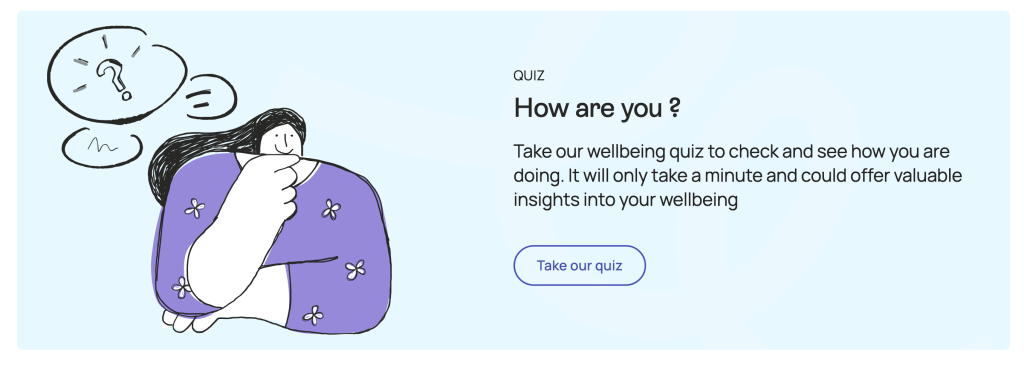
The How Are You Quiz on wayahead can help anyone with links to services and support.
Mental Health – Art Works!
Local mental health promotion is celebrated annually through art. Each October, the Central Coast Local Health District and its partners run the annual Mental Health – Art Works! Exhibition. It’s held at Gosford Regional Gallery in Webb Street between 3rd and the 12th October 2025.
This initiative uses the power of creative expression to challenge stigma, promote recovery, and spark conversations about mental health within the community. It’s a key local event that highlights that recovery and wellbeing are about more than just clinical treatment.
Central Coast Mental Health Resources
If you or someone you know is struggling, you don’t have to navigate this alone. The Central Coast has excellent resources to help.
- NSW Mental Health Line (1800 011 511): This 24/7 service offers professional mental health advice and can connect you with local services.
- headspace Gosford (4304 7870): A free and confidential service for young people aged 12-25, providing mental health support and other well-being services.
- Central Coast ARAFMI (4323 7731): Offers crucial support for individuals and their families affected by mental illness. ARAFMI is an registered NDIS provider.
- ClearlyMe is a Blackdog Institute app for teens with deprssion to help them when they need it
- The Wayahead website has several valuable resource links such as anxiety support groups, forums, small steps, mental health awards, events, and ambassadors including the coast’s own, Julie Goodwin.
- Health Direct – Mental Wellbeing
Your journey to better mental health starts with the 1,2,3. Be aware of how you feel and whether you’re not your usual self. Acknowledge that it’s okay to get help, or seek support. Take action and do something that will help you on your mental health journey. On the Central Coast we have several resources and services to help you step along your mental health journey.
This article is general in nature and for information only. For a personal medical advice, make an appointment to see your doctor. If you or someone close to you is in distress, call triple 000 as soon as possible.